
My name is
Simon McCauley
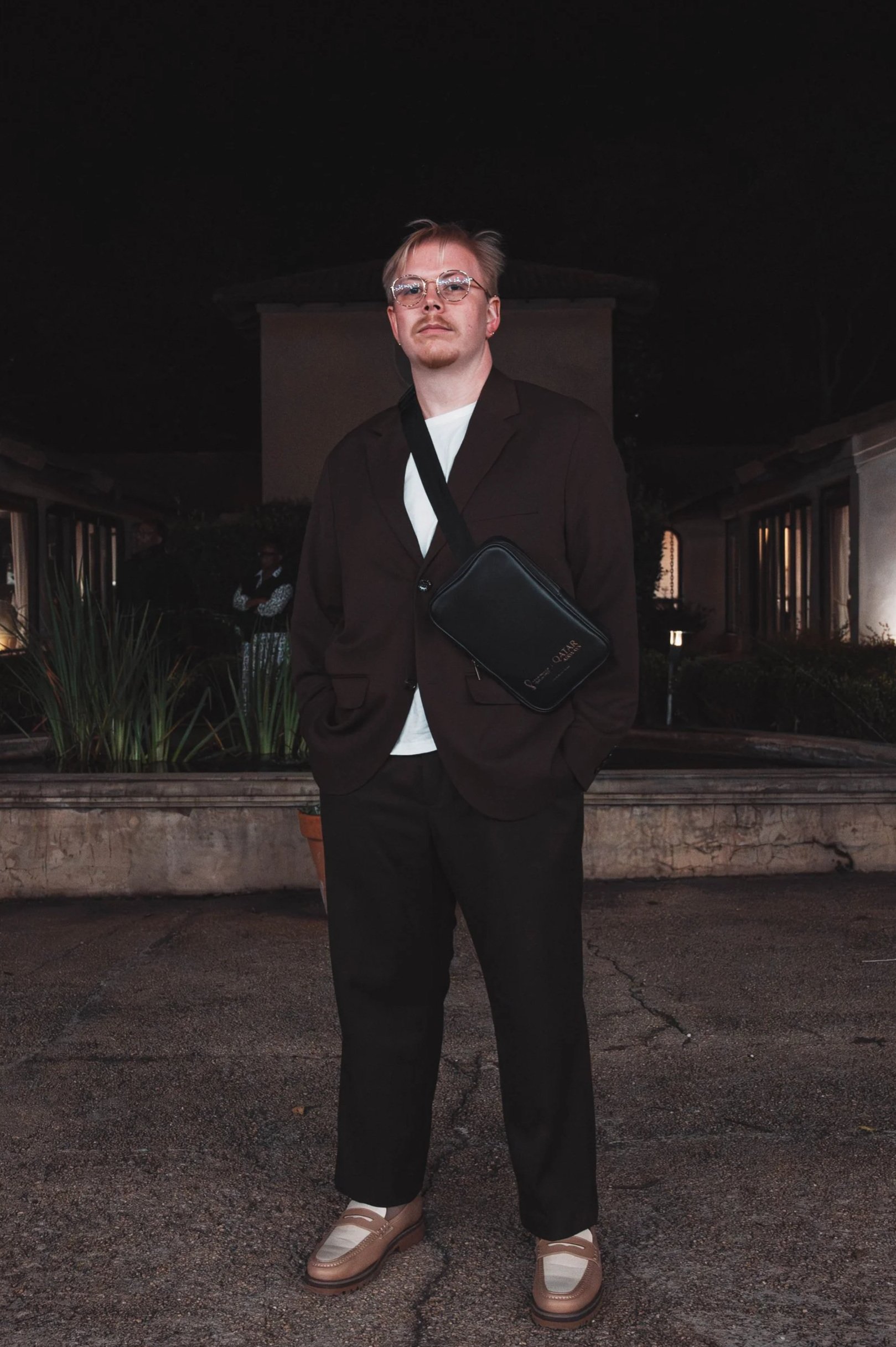
I grew up at Hands of Compassion, an organisation founded by my parents, aimed at helping others recover from addiction, vulnerable women, and children in need of safety. Being raised in such an environment has had a profound impact on how I see people — not just for their current circumstances but for the potential of their futures.
After completing my Honours degree in Psychology, I trained in addiction counselling with ACCSA and went on to manage the Substance Abuse Recovery Programme at Hands of Compassion for almost 5 years. That experience exposed me to a wide range of challenges and led me to develop a practical, adaptable approach to supporting people.
I am registered with the ASCHP as a Specialized Wellness Counsellor, with plans to study my Master’s Degree in Psychology and become a licensed therapist. In the meantime, my focus is simple: be as useful as possible.
I enjoy supporting others in understanding their situations, making better decisions, and implementing the necessary work required to achieve lasting change.
My approach to counselling
I tailor my counselling approach to each individual’s needs, communication style and context. However, here are a few universal philosophies that will give you an idea of the kind of mindset I bring to counselling:
You vs You. Comparing yourself to others is a losing game. The best way to track your progress today is to measure it against your yesterday. Likewise, no matter how hard you try, you can never control how other people think, feel and behave. Your time and energy is best spent focusing on the only thing you can control – you.
Pushups in the Parking Lot. Running away from painful feelings and memories will not make them disappear. While you are hiding from them, they are doing pushups in the parking lot - getting stronger and waiting for the chance to jump on you when you are at your weakest. The sooner you come out and face them, the better chance you have of overcoming them.
Fifty Shades of Grey. It is tempting to think that there are only 2 outcomes for any given situation: best-case or worst-case, all or nothing, black or white. But there are countless other possibilities that exist in between those extremes. Opening your eyes to the various shades of grey will reduce your stress and give you more realistic and attainable options to consider.
Discomfort Can’t Kill. People will often go to extraordinary lengths to avoid feeling uncomfortable. It is not nice to feel frustrated or embarrassed or disappointed or anxious or afraid to fail, but none of these feelings can cause you any real physical harm. Being uncomfortable is a requirement for growth. Learning to tolerate discomfort is a skill that will bring you closer to your goals and to the kind of person you want to be.
Difficult = Valuable. It is a reliable fact of life that what is easy is not usually worth much. You normally have to be bad at something before you are able to get good at it. What you want from life exists on the other side of a challenge. The difficulty of the task is not an obstacle to its value - the difficulty is what defines its value.
Discipline Costs Less Than Regret. Every decision comes with a cost and a reward - but not at the same time and not in equal measure. Immediate pleasures fade quickly and leave you with long-term dissatisfaction, however small sacrifices in the present add up in the future. You will pay a cost either way. Learning to aim for the bigger reward at a later stage takes practice and discipline.
My approach is rooted in honesty, accountability, perspective, and practical change. I believe that growth begins when we stop avoiding the difficult things and start engaging with them purposefully. The process is direct, but supportive. Genuine progress often requires discomfort, dedication, and a willingness to challenge ourselves differently.
What to expect in our sessions
I don’t believe in endless talking without direction: I ask a lot of questions and I challenge assumptions. I try to understand both you and your situation with clarity and empathy. It is important that you feel understood, that the environment and relationship allow you to express yourself freely. I will always respect your boundaries but I won’t avoid the difficult and necessary conversations. Understanding your past matters, but change happens in the present. The goal is for you to leave each session with something useful: greater clarity about your situation, a new perspective through which to view it, and (especially) some practical activity or mindset that you can immediately implement into your life.
This process is a partnership - it can only be effective if we are both committed to it. I am only asking that you bring honesty, effort and patience to our sessions. Remember: we are working towards progress, not perfection.
I believe that we all have a natural force within ourselves to become better, happier, healthier - more alive. But the obstacles and unavoidable challenges of life have gotten in the way of this force’s ability to improve our lives.
So let’s work together to clear as many of those obstacles as we can:
to find a way through.
We are healthy only to the extent that our ideas are humane.
- Kurt Vonnegut, Breakfast of Champions